
Program Overview
The Postdoctoral Program is a 24-month program designed to support postdoctoral researchers in conducting high-quality and impactful research across energy economics, policy, and ecosystem sustainability. The program promotes interdisciplinary collaboration and provides researchers with the opportunity to engage with diverse areas of study within a dynamic research environment.
Program Opportunities
- Contribute to the development of economic models and research methodologies related to energy systems.
- Collaborate with multidisciplinary research teams across different areas of expertise.
- Conduct research and analysis across energy economics topics, including energy markets, policy impacts, and cost-benefit assessments.
- Publish research papers and contribute to conferences, workshops, and other knowledge-sharing activities.
- Support a collaborative and intellectually engaging research environment.
Eligibility Criteria
Applicants must meet the following requirements:
- Recently completed or nearing completion of a Ph.D. in Energy Economics, Public Policy, Sustainability, Environmental Science, Engineering, or a related field.
- Strong knowledge in one or more of KAPSARC’s research areas, including energy policy, oil and gas markets, economics, renewables, transportation, climate, and sustainability.
- Demonstrated experience in independent research and analytical methodologies, including quantitative, qualitative, or hybrid approaches.
- Proficiency in relevant research tools, software, and datasets.
- Excellent written and verbal communication skills, with the ability to work effectively in a multidisciplinary environment.
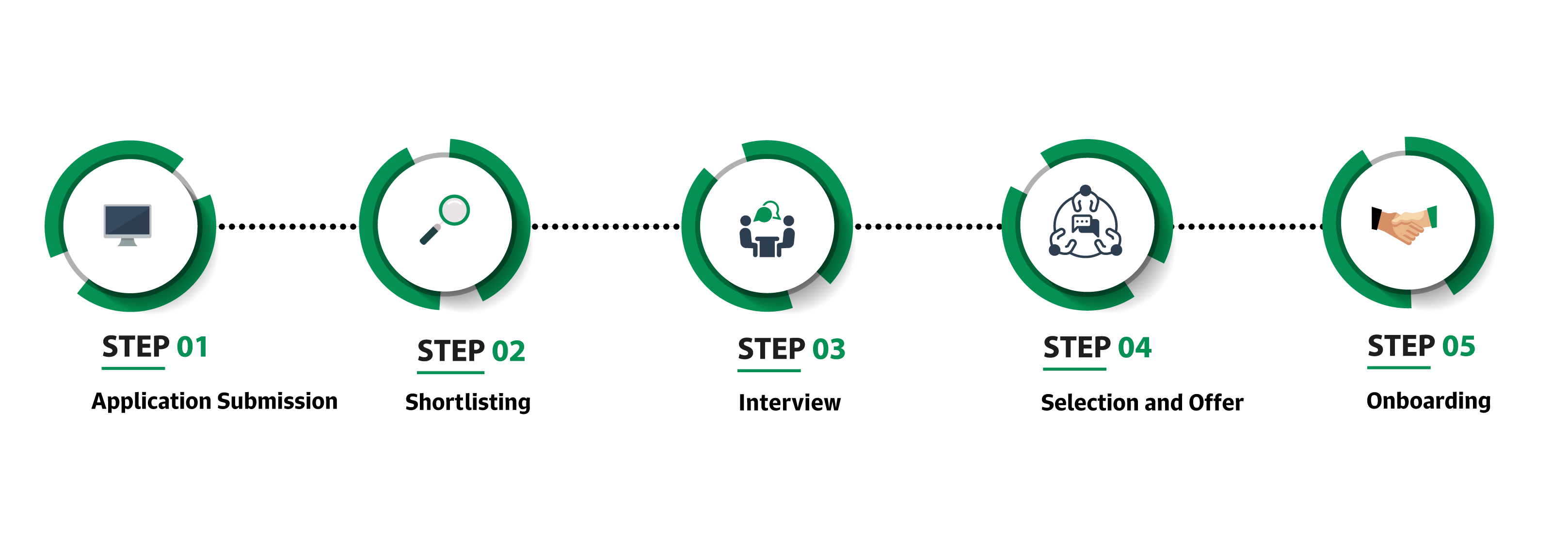
Selection Process
Knowledge and Analysis Program

Utilities & Renewables

Oil & Gas

Energy Macro & Microeconomics

Transport & Urban Infrastructure

Climate & Sustainability
Utilities & Renewables
The U&R program conducts thorough technoeconomic studies in the areas of power utilities, electricity policy and regulation, and renewables, to understand the current and future challenges facing this sector. The team also covers other topics and their interlinkages to the power sector including materials needed for the transition, hydrogen, carbon capture, and digitalization.
Oil & Gas
The Oil & Gas program assesses the challenges and opportunities for oil and gas today and in the future. Focus areas include crude oil, natural gas, refining and petrochemicals, and energy security. Economic and policy recommendations are provided through informed research outputs.
Energy Macro & Microeconomics
The EM&M program analyzes the interactions between energy and economic policies in the context of the global and domestic energy transitions. The Program’s projects tackle policy questions using innovative quantitative methods and rigorous economic reasoning. The program develops models that help assess energy, industrial, and macroeconomic policies that support economic diversification and resilience in energy exporting countries.
Transport & Urban Infrastructure
The T&UI program focuses on studying and analyzing energy transition in transport and urban infrastructure. The program investigates the impact of global and domestic policies, new technologies and consumer preferences on different sectors of transport like the road, rail, maritime and aviation. Additionally, the program studies urban polices and projects to assess the potential of sustainable and efficient energy transition pathways for cities in Saudi Arabia.
Climate & Sustainability
The Climate and Sustainability program conducts research and analyses in the areas of climate economics, climate change policies, and environmental sustainability. The program focuses on climate mitigation, climate adaptation, climate finance, climate policy instruments, carbon management, energy efficiency, clean technologies, and sustainable goals. The program also aims to develop and utilize various analytical tools and research methods to assess climate change mitigation policies and measures and the different pathways for achieving global and national climate goals.
Program Benefits
- Monthly base pay and transportation allowance.
- Furnished housing accommodation or housing allowance.
- Medical insurance.
- Children’s education allowance.
- Paid leave.
- Opportunity for collaboration with thought leaders, attendance at leading conferences, and supported travel.